

A Highland Single Malt, matured
in the finest Spanish sherry casks.
Raise
Expectations

“At first taste, it has an amplification and crescendo on the palate that’s so much richer than your expectations.”
Flagship Whiskies
Revelations in Flavour
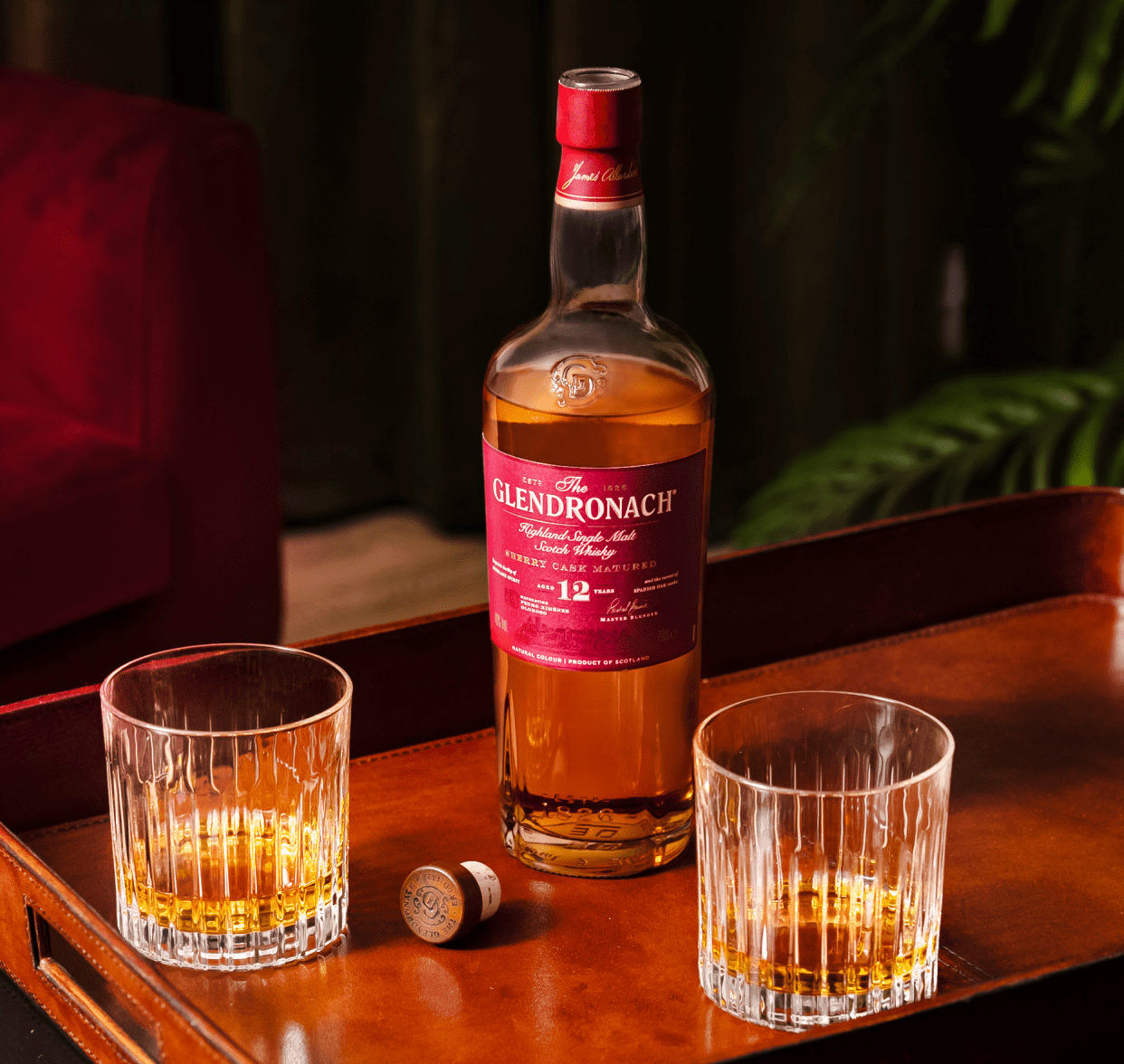
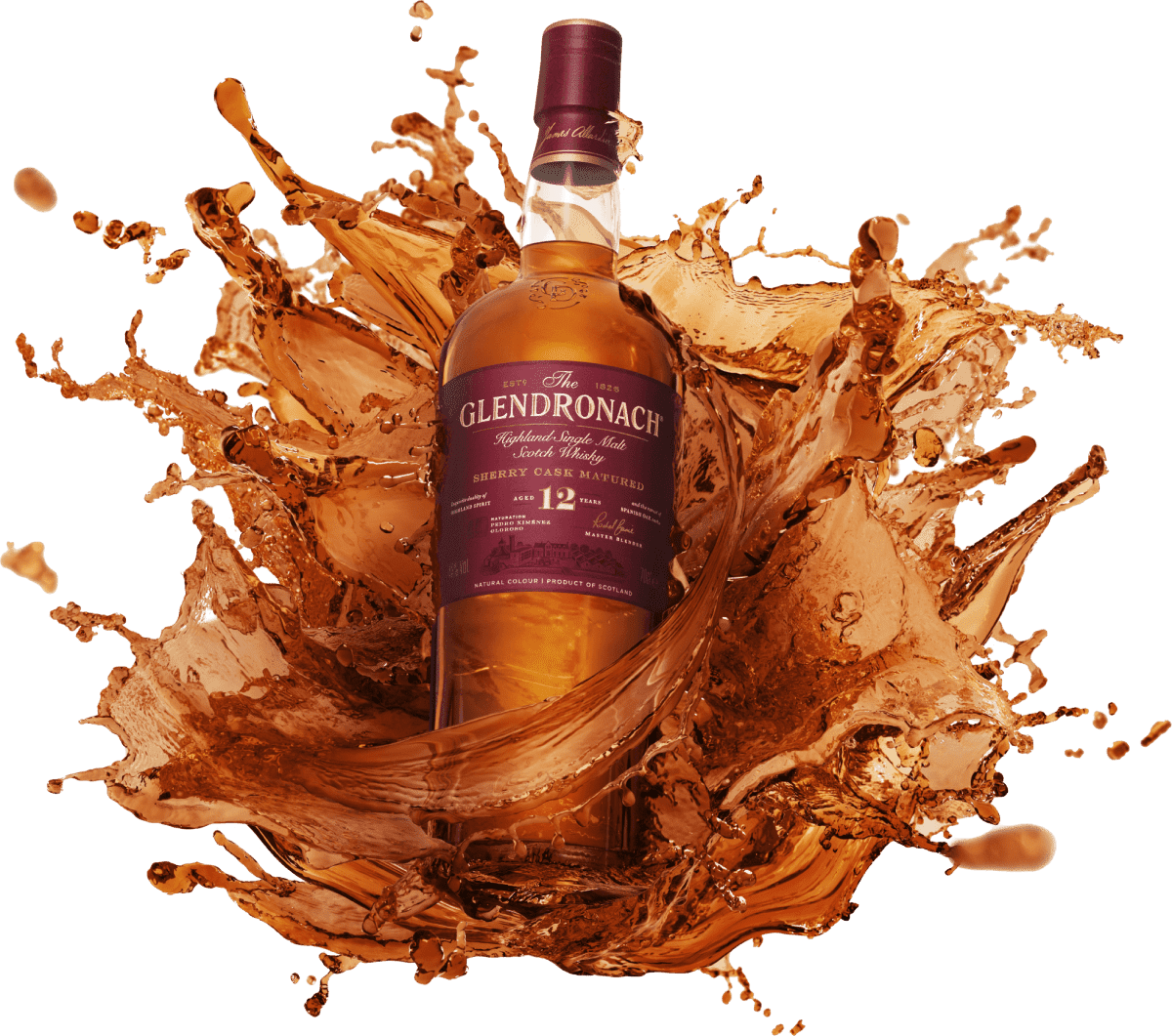
Aged 12 years
The embodiment of the distillery’s signature character, matured in the finest Pedro Ximénez and Oloroso sherry casks for exceptional complexity and balance.
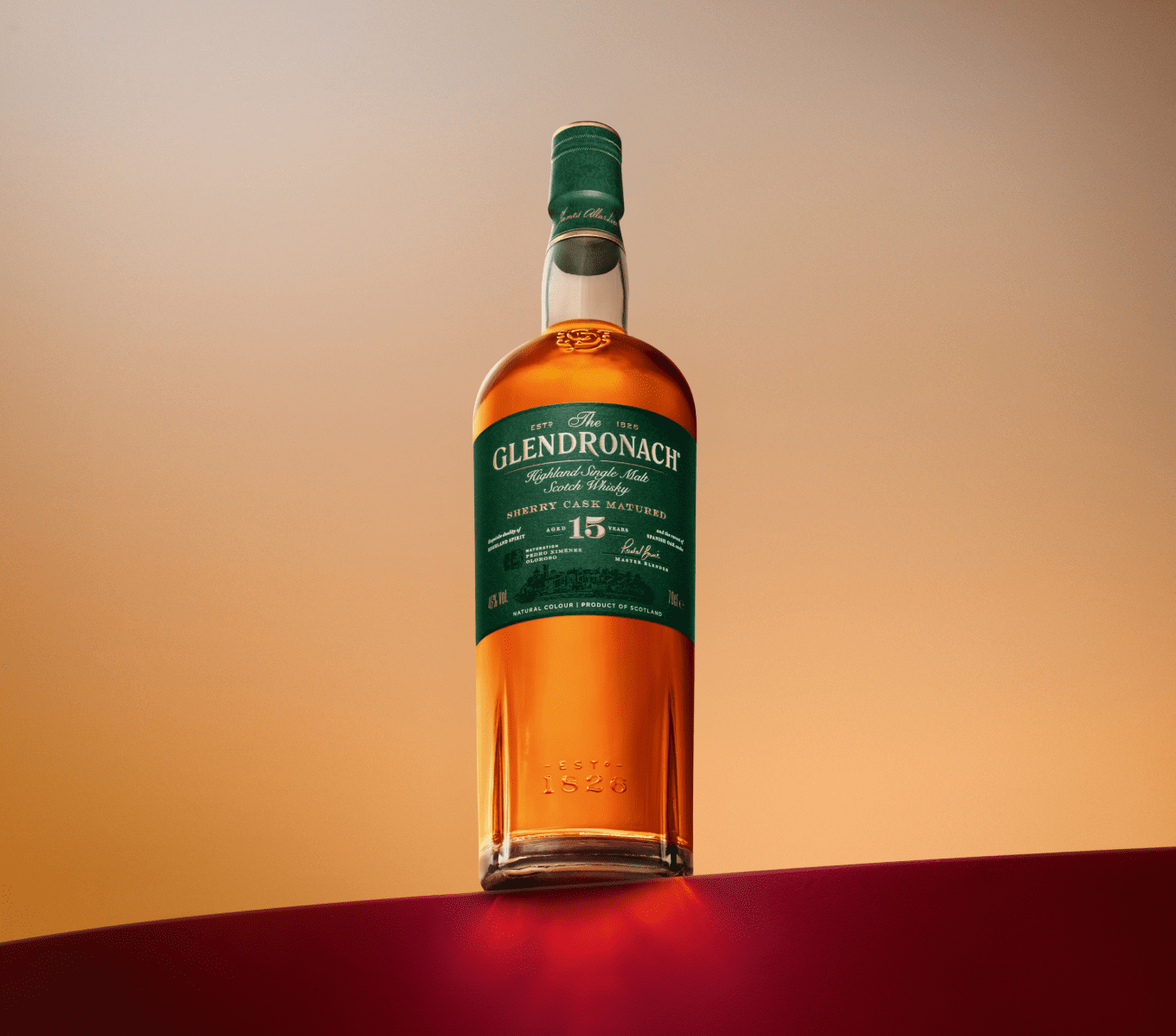
Aged 15 years
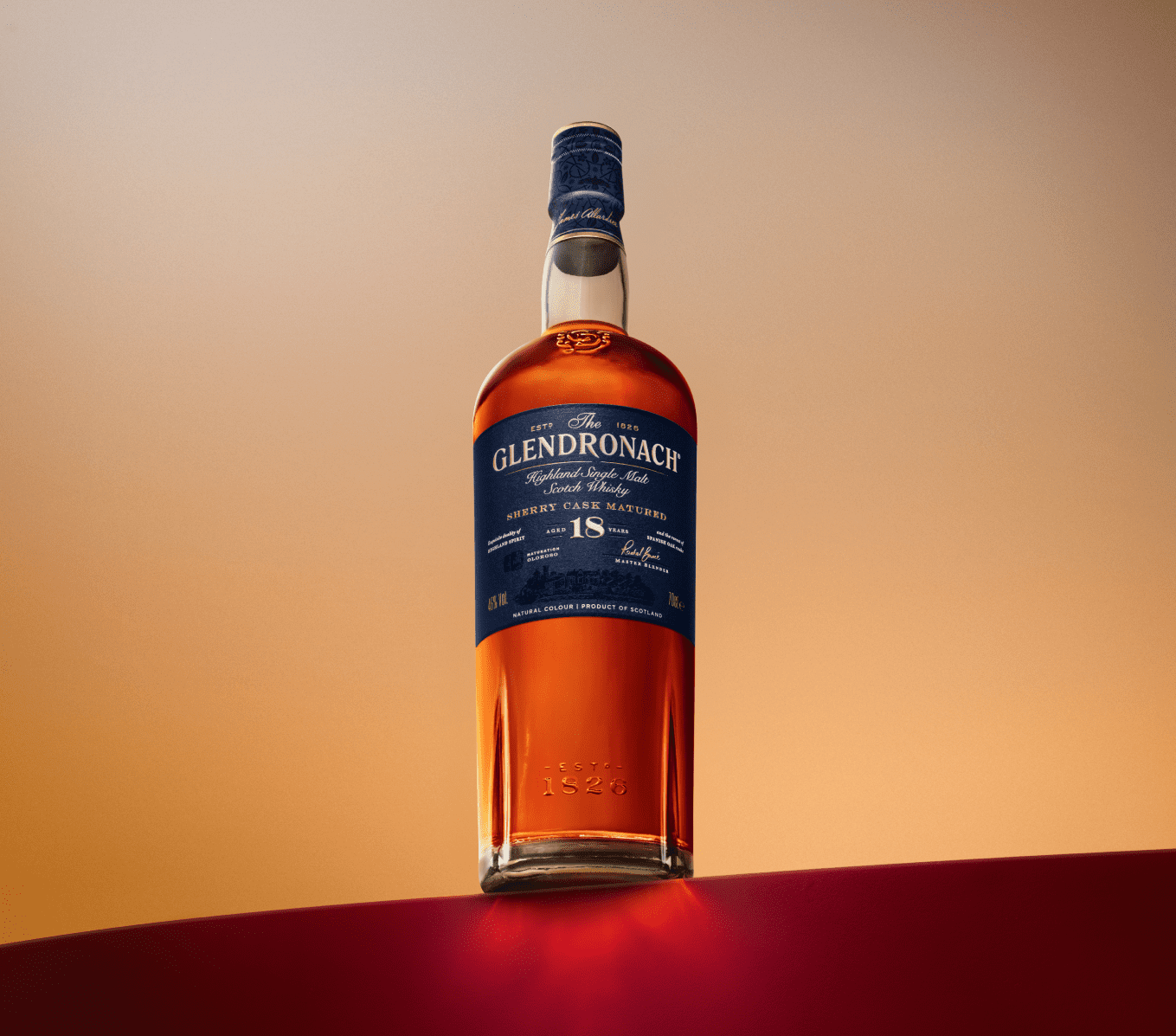
Aged 18 years
Highland Spirit. Spanish Flair.
Nestled in the Valley of Forgue in the majestic Scottish Highlands, The Glendronach Distillery has been dedicated to crafting the very finest Single Malts since 1826. Here, our distinct, characterful spirit is matured in rare Pedro Ximénez and Oloroso Spanish oak sherry casks, each one selected exclusively from the bodegas of Andalucía, Spain. This exquisite duality creates the signature richly-sherried style of our prestigious Single Malt Scotch Whisky.
A commitment to the exceptional
For almost two centuries, deep knowledge and steadfast commitment have been passed down through the generations, honouring the legacy entrusted by our visionary founder, James Allardice. Dedication to the mastery of our craft remains fundamental to our philosophy in making timeless and exceptional single malt.
Our Distillery
Experience The Distillery
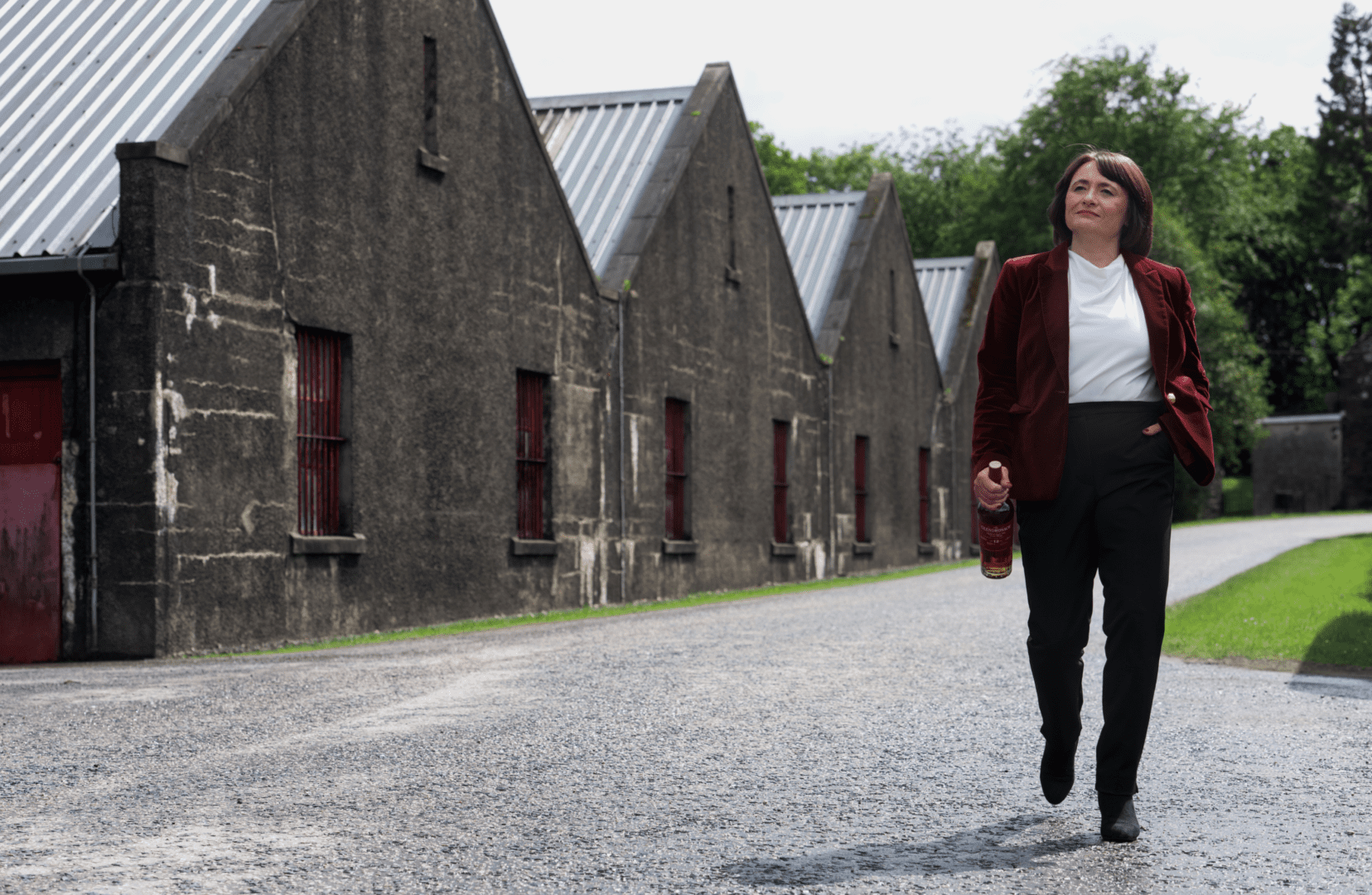
Whisky novices and connoisseurs alike can explore nearly 200 years of craft through tours, tastings, and workshops at the distillery. Walk in the footsteps of generations of whisky makers and discover why The Glendronach is considered one of the finest sherry cask-matured single malts.